Best Airline Lounges United States: The 2026 Ground Infrastructure Guide
The optimization of ground infrastructure within the commercial aviation ecosystem has transformed the airport terminal from a simple transit point into a complex, multi-tiered financial and hospitality matrix. For the high-frequency traveler, corporate executive, or institutional asset manager, the terminal gate is no longer the true starting point of air travel. Instead, the domestic journey is anchored by the network of premium ground spaces designed to insulate passengers from the operational noise, structural delays, and spatial congestion of public concourses. Analyzing this marketplace requires moving past the basic marketing materials that highlight complementary beverages or plush seating and focusing instead on how these spaces function as tools for productivity and risk mitigation.
The contemporary landscape of premium airport ground spaces faces severe structural challenges. The massive growth of premium co-branded financial cards over the past decade has created an unprecedented influx of passengers seeking lounge access, testing the physical limits of traditional airline clubs. In response, the industry is undergoing a sharp correction marked by strict access rules, complex reservation windows, and a clear split between standard membership clubs and highly restricted flagship spaces. Navigating this network demands a clear understanding of airline alliance networks, elite status rules, and the operational differences between airline-operated spaces and independent credit card networks.
Understanding “best airline lounges in the United States.”
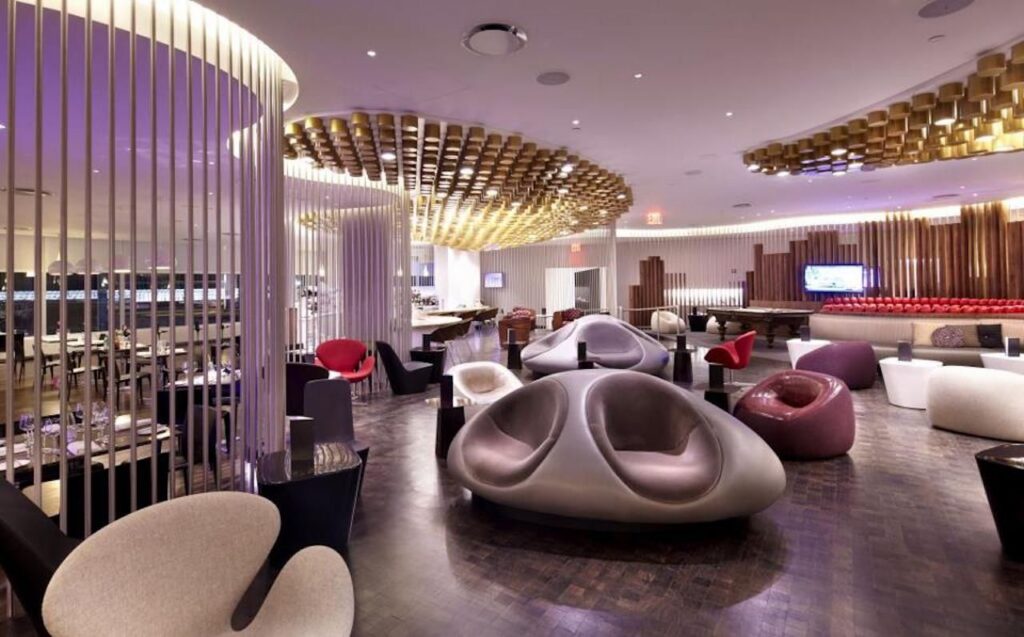
Evaluating what constitutes the best airline lounges in the United States requires a clear analytical perspective that looks beyond superficial aesthetic choices. To the experienced traveler, the value of a premium lounge is measured by its “Environmental Control Index,” its structural ability to minimize the cognitive load and friction of the modern airport terminal. The core value of a world-class lounge does not lie in luxury amenities, but in its ability to serve as a reliable workspace and a quiet place to recharge. It must provide predictable comfort, seamless data connectivity, and instant access to customer service agents who can reroute tickets during major flight disruptions.
A common misunderstanding of this sector is the assumption that all lounges operated by a single airline offer a uniform experience. In reality, the domestic market is highly fragmented. A carrier’s flagship international lounge in a major hub like New York (JFK) or San Francisco (SFO) may feature full à la carte dining, private shower suites, and quiet rest pods. However, that same carrier’s regional lounge in a smaller outstation might offer little more than basic seating, packaged snacks, and a crowded bar. Focusing only on the brand name without analyzing the specific location, terminal constraints, and exact lounge tier can lead to an unpredictable and frustrating travel experience.
Contextual Background: The Evolution of Premium Ground Infrastructure
The historical evolution of airport lounges in the United States can be divided into four distinct operational eras. The “Private Club Era” (1939–1978) began with the opening of the first dedicated passenger clubs, such as American Airlines’ Admirals Club at New York’s LaGuardia Airport. During this period, these spaces operated as closed, highly exclusive clubs for the political and business elite. Membership was strictly vetted and approved by airline executives, establishing a clear standard of ground exclusivity that became deeply embedded in the culture of early commercial aviation.
The “Membership Commercialization Era” (1979–2010) followed the deregulation of the airline industry. Lounges transitioned into profit centers, opening their doors to any passenger willing to pay an annual membership fee or buy a single-day pass. While this expanded access to a broader demographic of business travelers, the core design of the spaces remained functional and predictable, focused on basic office amenities, phone banks, and simple beverage service. The lounges served primarily as an escape from the terminal gate rather than a premium dining or relaxation destination.
Conceptual Frameworks and Mental Models for Ground Space Evaluation
To accurately evaluate the utility of a premium ground space, travelers and corporate travel managers should utilize specific mental models that go beyond simple comfort metrics.
1. The “Dwell-Time Productivity” (DTP) Model
This framework measures the practical business value delivered by a lounge relative to the time spent inside before a flight. It balances the availability of private workspaces and data infrastructure against the time lost to crowding or waiting lines: A lounge that features private, soundproof workstations and instant digital entry scores a high DTP Index, whereas a space with superior dining but long lines for seating or restrooms delivers lower overall productivity for a working professional.
2. The “Irregular Operations Recovery” (IOR) Factor
This model evaluates a lounge based on its capacity to resolve travel disruptions. When a severe weather event causes widespread cancellations, the value of a lounge is determined by the depth and authority of its ground staff. A lounge staffed by senior airline agents who can directly override ticketing rules and manually assign seats offers a massive safety margin compared to a third-party contract lounge that has no control over airline reservation systems.
3. The “Caloric and Wellness Substitution” Matrix
This mental model treats the lounge as a direct replacement for expensive, low-quality terminal dining and airport hospitality. It evaluates whether a space provides balanced, nutritious food choices and wellness amenities that reduce travel fatigue:
By viewing the lounge through this financial filter, a traveler can determine if a premium card’s annual fee or a business-class fare premium is justified by the savings generated on the ground.
Key Categories of Modern Lounges and Operational Trade-offs
The domestic lounge network is divided into distinct categories, each operating with a unique set of entry requirements, service priorities, and capacity constraints.
Domestic Lounge Infrastructure Profiles
| Lounge Classification | Primary Access Mechanism | Core Strengths | Operational Trade-offs | Target Passenger |
| Ultra-Premium Flagship Carrier Lounges | Confirmed long-haul business/first class ticket | High-end à la carte dining, private shower suites, and exceptional quiet zones | Strictly restricted access; zero entry via credit cards or standard frequent flyer status | Intercontinental business class travelers |
| Standard Domestic Airline Clubs | Annual paid memberships, elite frequent flyer status, and premium co-branded cards | Extensive nationwide hub footprints, direct operational support during delays | High risk of crowding during peak travel banks; heavy reliance on self-service buffets | Frequent domestic business fliers |
| Proprietary Credit Card Networks | Premium banking card portfolios | Chef-driven menus, high-end cocktail programs, and contemporary interior designs | Long entry waitlists during peak hours; strict three-hour entry time limits | High-spend consumers and business travelers |
| Common-Use / Independent Lounges | Priority Pass, pay-per-visit passes | Broad availability across secondary and regional airports | Highly variable quality; frequent access rejections due to space constraints | Occasional leisure and business travelers |
Operational Ecosystem of Credit Card Lounges
The growth of the bank-operated lounge sector has introduced highly specialized models to the domestic market. The Chase Sapphire Lounge network has built strong traction by focusing heavily on local identity, incorporating regional culinary collaborations and wellness partnerships, such as facial bars and custom relaxation rooms. Capital One has taken a distinct path by introducing its flagship lounge concept, along with the “Capital One Landing” format, a restaurant-driven experience developed with renowned chefs to replace traditional self-service buffets with high-quality, sit-down tapas service.
Meanwhile, the American Express Centurion Lounge network remains the largest and most established footprint of its kind. It relies on its “Culinary Collective” program to deliver chef-driven seasonal menus across more than 30 locations worldwide, balancing its massive scale against strict entry rules to manage passenger density.
Detailed Real-World Scenarios and Spatial Dynamics
The Peak Hub Connection Rush
A business traveler is connecting through a major hub like Chicago O’Hare (ORD) during the heavy late-afternoon travel bank.
-
The Constraints: The traveler has a tight 75-minute connection window, needs to answer urgent client emails, and requires a quiet place to take a confidential phone call.
-
The Spatial Reality: The standard airline club near their arrival gate is operating at maximum capacity, with a visible queue forming at the check-in desk and loud ambient noise throughout the main seating area.
-
The Strategic Move: The traveler bypasses the main club and walks to the carrier’s dedicated business-class flagship lounge in the international concourse, utilizing their qualifying ticket to access an individual, soundproof workspace. This scenario highlights why understanding the layout and rules of a multi-terminal hub is critical to maintaining productivity.
The Transcontinental Severe Weather Disruption
A line of severe summer thunderstorms grounds all departures out of the New York airspace, leaving thousands of passengers stranded inside the terminals at John F. Kennedy International Airport (JFK).
-
The Breakdown: Terminal restaurants and public seating areas quickly become overwhelmed, creating long lines and high stress across the concourses.
-
The Resolution Path: Utilizing a premium airline club membership instead, the traveler enters a carrier-operated lounge where they bypass the crowded public service desks and work directly with an elite-tier gate agent to secure a confirmed seat on a morning flight. This demonstrates that during a systemic crisis, operational support matters far more than premium food or drink amenities.
Planning, Cost, and Resource Dynamics
Maintaining reliable access to the premium lounge network requires balancing annual subscription fees, credit card spending limits, and the opportunity costs of card portfolio choices.
Financial and Access Commitment Matrix for Domestic Lounge Portfolios
| Access Strategy Tier | Financial Outlay (Annual USD) | Key Included Networks | Guest Policy Restrictions | Capital Efficiency Assessment |
| Elite Airline Flagship Tier | Tied to premium ticket costs ($4,000–$12,000+ per international flight) | Delta One, United Polaris, American Chelsea/Greenwich | Typically, zero guests permitted; access restricted strictly to the ticketed passenger | Highly efficient for international business travelers who prioritize quiet and dining |
| Direct Airline Club Membership | $650 – $850 annually (or equivalent frequent flyer miles) | Single airline network plus select alliance partners | Includes up to two guests traveling on the same carrier | Cost-effective for hub-captive business professionals flying over 40 segments a year |
| Premium Card Issuer Portfolio | $395 – $695 annual card fees | Amex Centurion, Chase Sapphire, Capital One, Priority Pass | Highly restricted; often requires a fee ($30–$50 per guest) or high annual card spend | Exceptional value for solo travelers who can utilize premium airport dining and amenities |
| Co-Branded Retail Card Tier | $550 – $650 annual card fees | Specific carrier networks (e.g., Delta Sky Club, United Club) | Guest passes provided annually; additional guests charged per visit | Ideal for travelers looking to earn airline elite status milestones through credit card spend |
Tools, Strategies, and Access Systems
-
Digital Waitlist Applications: Proprietary card and airline mobile applications that allow travelers to join a lounge’s entry queue digitally before they even arrive at the terminal, minimizing time spent standing in physical lines.
-
Live Passenger Density Trackers: Digital monitors within airline apps that use real-time Bluetooth and camera data to show current occupancy percentages across different hub lounges, helping travelers choose less crowded locations.
-
Alliance Cross-Access Engines: Specialized search tools that help frequent flyers leverage their international Sky Alliance elite status to enter partner lounges, often bypassing the restrictive rules of domestic airlines.
-
Terminal Interconnection Maps: High-resolution interactive airport maps that track which terminals are connected airside behind security, allowing passengers to visit a premium lounge in a different concourse without clearing TSA checkpoints a second time.
-
Automated QR-Code Dining Systems: Contactless ordering systems used in premium lounges to let guests order fresh, kitchen-prepared meals directly to their specific seats, reducing crowding around traditional food buffets.
-
Biometric Identity Verification Gateways: Automated entry lanes that use facial recognition or digital fingerprint profiles to verify lounge credentials instantly, speeding up the check-in process during busy travel banks.
-
Premium Capsule Booking Utilities: Digital scheduling tools that let travelers pre-book private nap pods, shower suites, or Peloton workout rooms within flagship lounges, securing high-demand amenities before boarding.
Risk Landscape: Crowding, Dilution, and Systemic Vulnerabilities
The rapid commercialization of premium ground spaces has introduced several operational risks that can quickly degrade the value of a lounge network.
-
“The Club Cafeteria Effect”: When a lounge operates at or near maximum capacity, the quiet ambiance and high-end service standards dry up. Staff struggles to clear dirty dishes, food buffets run low, and the noise levels mimic a public food court, defeating the core purpose of a premium escape.
-
Access Denial and Digital Queuing: The introduction of strict occupancy limits means travelers frequently face digital waitlists during peak operational hours. A passenger with a short 60-minute layover may find themselves locked out of a lounge entirely because the queue is too long, turning a guaranteed amenity into an unpredictable lottery.
-
Drastic Rule Adjustments: Operators routinely change their access policies with short notice to combat crowding. These adjustments such as banning arriving passengers from entering, raising the age limits for children, or cutting guest privileges can instantly diminish the value of a long-term lounge membership or premium credit card.
-
Infrastructure Failure Modes: Lounges are highly complex hospitality spaces packed into constrained airport footprints. A broken water line, a terminal power outage, or a delayed food delivery can instantly shut down shower suites, hot kitchens, or digital check-in systems, leaving travelers stranded without core services.
Governance, Access Maintenance, and Long-Term Program Adaptation
Sustaining a seamless ground transit routine requires a regular, proactive audit of your access methods. Because airline loyalty parameters and credit card benefits shift constantly, a yearly evaluation ensures your financial investments match your actual travel patterns.
The Annual Ground Infrastructure Audit Checklist
-
Alliance Status Verification: Confirm whether your current frequent flyer status levels unlock lounge access on domestic routes when connecting to international itineraries.
-
Card Portfolio Value Assessment: Reviewing the annual fees of premium cards against the actual number of lounge visits, guest fees paid, and utilization of dining credits over the past 12 months.
-
Terminal Asset Realignment: Checking if your preferred carriers have changed their departure terminals or closed specific lounge locations at your primary origin and destination airports.
Measurement, Tracking, and Evaluation of Lounge Utility
How can a frequent traveler or corporate travel manager objectively track the performance of their lounge access strategy?
-
Leading Indicator: The “Lounge Entry Success Rate” is the percentage of attempts where a traveler enters a lounge immediately without being placed on a waitlist or turned away due to overcrowding. A rate below $80\%$ suggests a need to adjust your terminal arrival timing or switch to a different lounge network.
-
Lagging Indicator: The “Pre-Flight Productive Hour Tally” is a retrospective count of hours spent working in a quiet, focused lounge environment over a set period, validating the time saved compared to waiting at a noisy terminal gate.
-
Qualitative Signal: The “Pre-Boarding Stress Score” is a personal evaluation of your mental focus and physical comfort before stepping onto the aircraft, measuring how effectively the lounge insulated you from terminal chaos.
Common Misconceptions and Oversimplifications
-
Myth: “Priority Pass guarantees entry to any partner lounge listed in its directory.”
Correction: Individual lounges retain absolute authority to turn away Priority Pass cardholders during busy periods to preserve space for their own direct customers and premium passengers. -
Myth: “Credit card lounges are always superior to airline-operated clubs.”
Correction: While bank lounges often feature trendy dining options, they lack direct access to airline reservation systems, making them less effective for rebooking flights during severe weather delays. -
Myth: “You can enter an airport lounge at any time on the day of your departure flight.”
Correction: Most premium credit card networks and airline clubs enforce a strict three-hour entry window before your scheduled departure time to prevent prolonged overcrowding. -
Myth: “Lounge buffets provide healthier nutrition choices than standard terminal restaurants.”
Correction: Many basic lounge buffets rely heavily on high-sodium processed snacks, hidden fats, and heavy starches designed to fill passengers up cheaply, requiring careful selection to maintain a healthy travel diet.
Ethical, Practical, or Contextual Considerations
The rapid expansion and privatization of premium airport real estate raise important long-term practical and social questions. As airlines and financial institutions buy up massive footprints within terminal buildings to build exclusive clubs, the public concourses are becoming increasingly crowded and dense. This shift places a heavy burden on occasional leisure travelers who must navigate smaller public spaces, longer lines, and limited seating at the gate.
Practically, the high energy demands of operating massive, 24-hour luxury spaces complete with high-end kitchens, laundry facilities for shower suites, and extensive climate control networks run counter to the aviation industry’s stated sustainability and carbon-reduction goals. This tension is driving leading lounge operators to design newer spaces with eco-certified materials, implement strict food waste reduction programs, and source ingredients from local supply chains to reduce their overall environmental impact.
Conclusion
The execution of a reliable, productive transit routine within the United States airspace network depends on a clear understanding of the ground infrastructure. As terminal congestion grows and access parameters remain fluid, treating the airport lounge as a simple luxury perk is no longer an effective strategy. Long-term travel efficiency requires a methodical approach that views these spaces as essential tools for time management, professional productivity, and systemic risk mitigation. The travelers who maintain the highest level of comfort and efficiency are those who look past the marketing allure, carefully analyze network capacity, and deploy a diversified portfolio of access strategies to stay ahead of the crowd.