Top Business Class Suites USA: Luxury Fleet Architecture
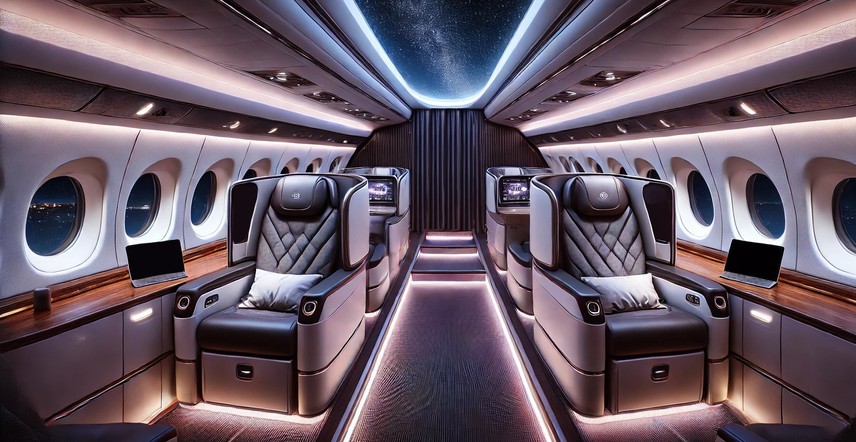
The commercial aviation sector in the United States is undergoing a fundamental structural realignment driven by intense competition for premium passengers. For years, domestic business class was defined by standard leather recliners and basic meal service, a functional setup suitable for short flights but lacking the privacy and comfort found on international routes. Today, a major shift toward high-yield premium traffic has forced major US network carriers to invest heavily in updating their fleets. The modern premium cabin is now defined by fully enclosed pods, direct aisle access, and advanced technology designed to satisfy demanding business travelers and high-end leisure passengers.
This change is reshaping fleet procurement strategies, interior cabin engineering, and airline yield management systems. The deployment of international-grade hard products on domestic transcontinental routes and high-density hub-to-hub channels has made the premium cabin experience highly competitive. Airlines are spending billions of dollars to install sliding privacy doors, customized seat cushions, and large high-definition screens across both narrow-body and wide-body fleets. This investment is not just about passenger comfort; it is a calculated effort to capture market share in a segment where corporate travel contracts and individual premium ticket sales drive overall profitability.
To properly analyze this landscape, one must look beyond marketing brochures and examine the engineering, logistics, and economic realities of premium aircraft cabins. A premium suite is a highly engineered asset that must balance strict FAA safety certifications against weight limits and passenger space expectations. The rollout of these new cabins has faced supply chain bottlenecks, regulatory certification delays, and complex fleet configuration challenges. This comprehensive analysis breaks down the design choices, financial dynamics, and operational realities that define the leading premium airline products in the US market.
Understanding “top business class suites USA.”
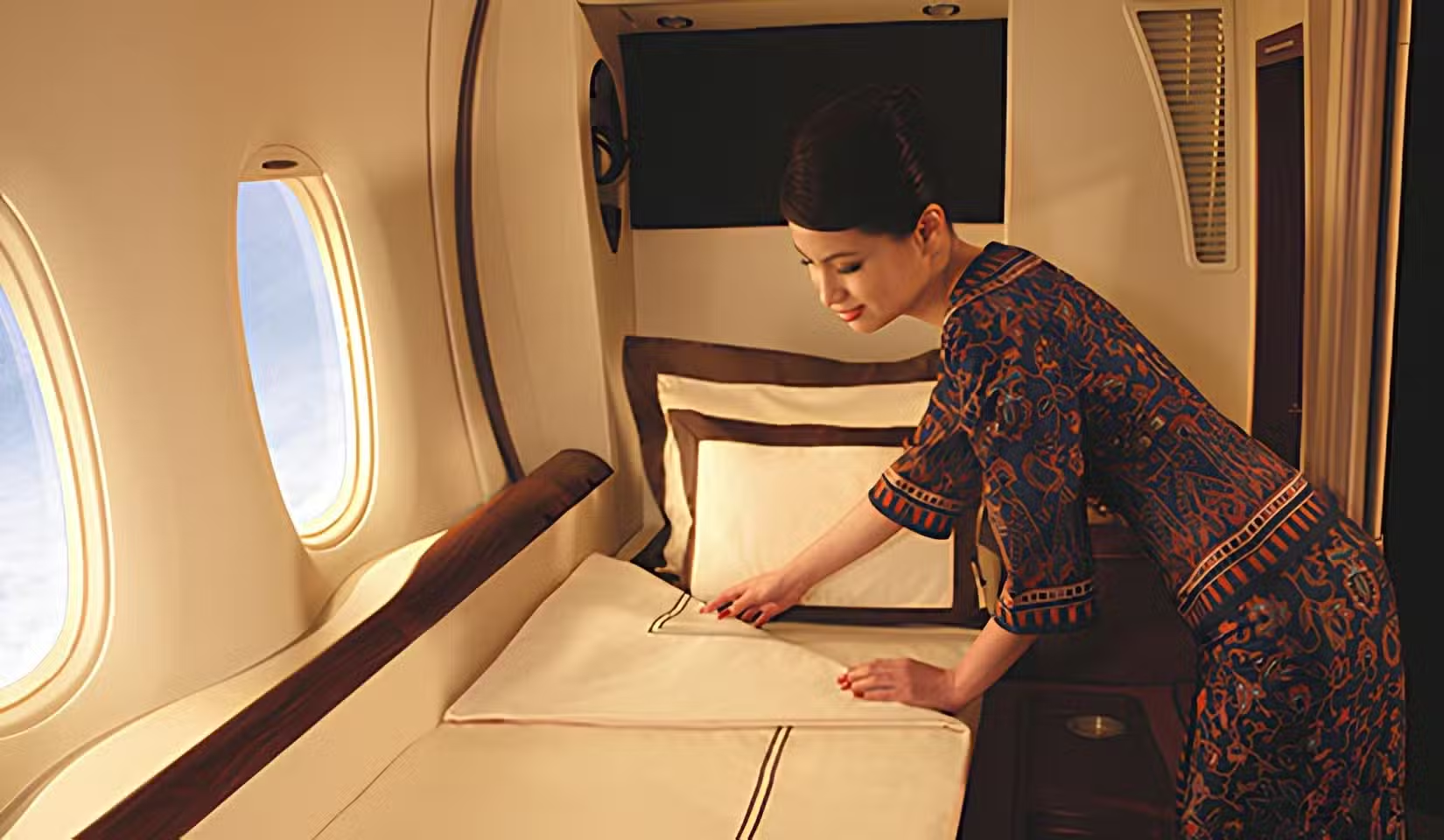
Evaluating the landscape of the top business class suites in the USA requires looking past consumer travel blogs and examining the structural mechanics of fleet configuration. Travel media often ranks premium cabins based on subjective amenities like the quality of the bedding or food menu partnerships. In an institutional context, evaluating these products requires analyzing spatial layout efficiency, privacy mechanics, and deployment consistency across an airline’s fleet. A superior hard product means little to a corporate travel planner if it is only available on a tiny fraction of flights.
The Evolution of Premium Domestic Architecture
The modern business class suite in the United States is the result of decades of regulatory shifts, economic changes, and cabin engineering breakthroughs. During the early decades of jet travel, the premium experience was simple: a standard first-class section at the front of the cabin featuring wider seats, extra legroom, and upgraded meal service. These regional recliners remained the industry standard for domestic routes for decades, as short flight times and regulated airfares limited the incentive for airlines to develop more complex seating options.
The landscape began to shift in the early 2000s as airlines recognized a growing demand for premium service on lucrative transcontinental routes linking New York with Los Angeles and San Francisco. This led to the introduction of dedicated three-cabin aircraft featuring early-generation angled lie-flat seats. While these seats represented a major leap forward in comfort, they lacked direct aisle access for every passenger and suffered from a “sloping” effect that made sleeping difficult. The introduction of the fully flat bed in a 1-2-1 configuration on international routes raised passenger expectations, forcing domestic carriers to rethink their strategy for premium cross-country travel.
The mid-2010s brought a major shift toward high-privacy configurations, marked by JetBlue’s introduction of its Mint product, which featured the first closing suite doors on a domestic narrow-body aircraft. This disruption forced legacy network carriers to phase out older operational layouts in favor of reverse-herringbone and staggered configurations that offered greater privacy and direct aisle access. The ongoing rollout of next-generation premium cabins, such as Delta’s updated Delta One suites, United’s Polaris expansion, and American’s Flagship Suite rollouts, highlights a highly competitive market where privacy doors and advanced tech connectivity are now standard baseline requirements.
Design Frameworks and Cabin Engineering Models
To analyze how airlines build and configure premium business class cabins, it is helpful to look at cabin interiors through three distinct structural design models. These frameworks balance weight restrictions and maintenance costs against passenger space demands.
The Reverse-Herringbone Configuration Model
In this layout, seats are angled away from the aisle toward the windows on the outer rows, and angled toward each other in the center section. This approach maximizes passenger privacy by positioning travelers’ heads away from the aisle traffic. The design provides direct aisle access for every seat and a spacious footwell built into the console of the seat ahead. However, its angled orientation can make some passengers feel constrained around the shoulders, and the design requires significant cabin width, making it primarily suited for wide-body aircraft.
The Staggered Interlocking Grid Paradigm
This model alternates seat positions in consecutive rows, extending a passenger’s footwell beneath the side console of the seat in front of them. This layout alternates seats closer to the aisle with seats closer to the window or center console, creating a varied cabin layout. While this maximizes space efficiency and allows for a high seat density, it creates inconsistencies in privacy, as “aisle-exposed” seats feel significantly less private than “protected” window or honeymoon center seats unless closing privacy doors are installed.
The Narrow-Body Transcontinental Suite Framework
Specifically designed for single-aisle aircraft like the Airbus A321neo and A321XLR, this model uses a 1-1 or herringbone configuration to bring international-grade privacy to narrower cabins. To make this work, engineers must design ultra-compact seat shells that incorporate a full lie-flat bed, a sliding privacy door, and personal storage into a very tight footprint. The challenge is balancing the weight of these complex mechanisms against the aircraft’s fuel efficiency and range limits on long cross-country routes.
Key Suite Configurations and Fleet Profiles
The premium aviation market in the United States features several distinct product configurations, each tailored to specific fleet types and routes. The table below outlines the core profiles of the primary business class suites operated by major US carriers.
| Product Name | Primary Aircraft Deployed | Configuration Layout | Privacy Mechanism | Key Technological Integration | Primary Route Deployment |
| Delta One Suite (Next-Gen) | A350-1000, Refreshed A330 | Reverse-Herringbone | Full-height sliding door | 24-inch screen, Bluetooth, wireless charging | Premium international, select hub trunks |
| United Polaris Studio | Boeing 787-9, Select Wide-bodies | Custom Staggered 1-2-1 | Sliding privacy door | 27-inch 4K OLED, Bluetooth audio | Transcontinental premium, long-haul international |
| American Airlines Flagship Suite | B787-9P, A321XLR, Retrofit B777 | Reverse-Herringbone | Enclosed sliding door | 4K IFE screens, universal USB-C, Qi charging | JFK-LAX transcontinental, key long-haul routes |
| JetBlue Mint Suite & Studio | A321neo, A321LR | Herringbone (Front Row Expanded) | Sliding privacy door | 17-to-22-inch screens, wireless phone charging | Transcontinental trunk, transatlantic corridors |
Next-Generation Delta One Suites
Delta’s major premium cabin refresh involves installing updated Delta One suites across its incoming Airbus A350-1000 fleet and retrofitting its existing Airbus A330-200/300 aircraft. This design focuses on customized passenger comfort, featuring a lie-flat bed that is three inches longer than previous versions, memory foam cushions with pillow-top layers, and dedicated shoe storage. By adding closing doors to its A330 fleet, the carrier aims to ensure that nearly its entire wide-body fleet offers a consistent level of privacy, raising the baseline expectation for domestic premium travel.
United Polaris and Polaris Studio Extensions
United’s updated premium strategy centers on deploying its Polaris hard product across its wide-body fleet, complemented by the introduction of the expanded Polaris Studio on its newest Boeing 787-9 aircraft. The Polaris Studio configuration offers the largest lie-flat footprint in the carrier’s fleet, featuring a 27-inch 4K OLED entertainment screen, a private closet, and an extra ottoman for companion seating. The standard Polaris seat uses an alternating forward-facing and angled staggered layout that ensures direct aisle access while maintaining a space-efficient footprint.
American Airlines Flagship Suite Deployments
American Airlines has redesigned its premium strategy around the Flagship Suite hard product, rolling it out on its new Boeing 787-9P wide-bodies and its single-aisle Airbus A321XLR aircraft. This design uses a reverse-herringbone layout with fully enclosed sliding doors and dark wood accents. The deployment of this product on the single-aisle A321XLR allows the carrier to replace its older three-cabin A321T aircraft on transcontinental routes like JFK-LAX, offering international-grade business class comfort on a single-aisle plane.
Detailed Real-World Scenarios and Operational Realities
To understand how these premium suites perform in day-to-day operations, it is helpful to look at how airlines handle common system disruptions. The following scenarios illustrate the operational friction inherent in managing a premium cabin network.
Scenario 1: Last-Minute Aircraft Substitution (The Equipment Swap)
An Airbus A321XLR scheduled to operate a premium transcontinental flight from New York to Los Angeles develops a mechanical issue at the gate, forcing the airline to swap in a standard domestic A321 aircraft.
-
The Constraint: The replacement aircraft features standard domestic first-class recliners instead of fully enclosed lie-flat suites, resulting in a major downgrade in the hard product.
-
The Decision Point: Customer service agents and network controllers must decide whether to delay the flight to source a comparable suite-equipped aircraft or fly the route with the standard plane and compensate affected passengers.
-
The Failure Mode: Proceeding with the downgrade without proactive communication triggers significant backlash from high-yield corporate travelers, damaging brand loyalty and forcing the airline to issue expensive fare refunds.
-
Second-Order Effects: The premium-heavy passengers overload the airport customer service lounges, trying to rebook onto alternative suite-equipped flights, creating long queues and disrupting ground operations.
Scenario 2: In-Flight Component Malfunction (The Jammed Door)
During a nighttime transcontinental flight, the mechanical tracks of a passenger’s sliding privacy door become misaligned, jamming the door firmly shut while the passenger is inside the suite.
-
The Constraint: The cabin crew cannot easily remove or slide the door open using standard tools without risking damage to the surrounding seat shell structure.
-
The Decision Point: The lead flight attendant must choose between attempting an on-board mechanical fix using basic tools or executing an emergency release procedure that might permanently disable the door mechanism for future flights.
-
The Failure Mode: Mishandling the release mechanism can warp the composite seat paneling, taking the entire suite out of service for subsequent flight legs until the plane visits a maintenance hub.
-
Second-Order Effects: The affected seat must be blocked out on the return flight, reducing the airline’s premium capacity and forcing revenue management teams to bump a high-paying passenger or crew member.
Financial Architecture and Yield Optimization Dynamics
The financial performance of premium suites depends on balancing high asset-installation costs against dynamic ticket pricing. Because premium business class suites occupy significantly more cabin real estate than standard economy seats, airlines must generate high revenue per square foot to justify the configuration.
Airlines manage this risk using advanced revenue management systems that track corporate contract volumes and last-minute booking patterns. Corporate accounts provide a reliable baseline of premium demand, but peak profitability comes from selling remaining suites to last-minute business travelers or high-end leisure passengers willing to pay full fare. The table below illustrates the typical cost structures and revenue dynamics of a next-generation suite-equipped cabin on a premium domestic route.
| Cabin Pricing Tiers | One-Way Fare Range | Real Estate Footprint % | Yield Per Square Foot | Maintenance Cost Overhead |
| Bulkhead / Premium Suite Plus | $1,500 – $3,500 | 8% | Very High | High (Complex monuments, extra monitors) |
| Standard Business Suite | $900 – $2,200 | 32% | High | Medium (Sliding doors, pneumatic controls) |
| Premium Economy Section | $500 – $1,100 | 15% | Medium | Low (Standard mechanical recliners) |
| Main Cabin / Economy | $180 – $600 | 45% | Low | Lowest (Basic slimline seats, no moving parts) |
The economics of these cabins are highly sensitive to seat density trade-offs. Installing wider suites with sliding doors means reducing the total number of seats that can fit into the aircraft cabin. If an airline cuts seat count too much to offer an ultra-luxurious product, it faces the risk of being unable to cover operating costs during economic downturns when corporate travel budgets shrink. This requires cabin designers to find the sweet spot where privacy and comfort are maximized without dropping total seat capacity below profitable levels.
Infrastructure, Ground Assets, and Support Systems
The premium business class experience extends well beyond the aircraft itself, relying on an ecosystem of ground infrastructure and digital tools to deliver a seamless journey for high-yield travelers.
Specialized Premium Ground Lounges
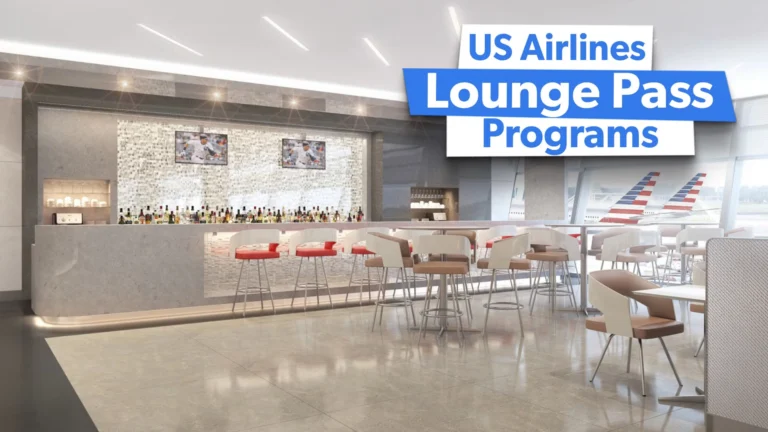
The domestic suite experience is tightly integrated with high-end airport lounges, such as United’s Polaris Lounges, Delta’s premium lounge concepts, and American’s Flagship Lounges. These facilities offer a peaceful escape from busy airport terminals, providing à la carte dining, private shower suites, and quiet workspaces. Access to these lounges is restricted to premium ticket holders, serving as a powerful tool to secure corporate travel contracts and drive premium ticket sales.
Digital Upgrades and Ancillary Revenue Engines
Modern airline applications use sophisticated pricing algorithms to drive ancillary revenue by offering personalized suite upgrades to economy passengers before departure. By analyzing historical load factors and individual booking profiles, these systems can offer real-time cash or frequent-flyer mile upgrade options. This allows airlines to monetize empty premium suites right up until the gate agents close the aircraft door.
Dedicated Airport Priority Fast-Tracks
To provide a smooth airport experience, airlines bundle premium suites with expedited ground services, including dedicated check-in desks, priority security lanes, and accelerated baggage delivery. These fast-track systems minimize wait times and reduce friction for business travelers, ensuring that the premium experience begins the moment they arrive at the airport.
Risk Landscape and Product Vulnerabilities
Deploying and operating a fleet with complex premium suites involves navigating several interconnected operational and financial risks.
Supply Chain and Regulatory Delays
Premium suites are highly customized products that rely on complex supply chains for specialized components like composite shell panels, electronic seat controls, and flame-retardant materials. Production delays at major seat manufacturers or bottlenecks in the FAA safety certification process can leave airlines with finished aircraft that lack seats. These delays disrupt fleet retirement schedules and force carriers to operate older, less efficient aircraft longer than planned.
High Maintenance Costs and Mechanical Wear
The mechanical complexity of modern business class suites—including pneumatic seat controls, electronic door latches, and integrated lighting systems—makes them prone to wear and tear. A broken door latch or stuck recline mechanism can render a suite unusable, forcing the airline to block the seat and lose revenue. Because fixing these issues often requires proprietary parts and specialized technicians, maintenance teams must keep robust parts inventories at key hub airports to avoid extended ground delays.
Rapid Product Obsolescence
The rapid pace of innovation in cabin interiors means that a premium suite product can easily become obsolete within five to seven years of its introduction. As competitors launch newer designs with larger screens, wireless charging, and better privacy doors, airlines face constant pressure to invest in expensive cabin retrofits. Failing to update cabins can lead to a drop in corporate contract bookings as business travelers shift to carriers with more modern hard products.
Governance, Fleet Configuration, and Product Life Cycles
To maintain product consistency and protect profit margins, airlines use structured governance workflows to manage their premium cabin assets over multi-year life cycles.
Mid-Life Product Refresh Protocols
Airlines do not simply install premium cabins and leave them unchanged until the aircraft is retired. Instead, interior design and engineering teams run structured mid-life refresh programs every four to six years. During these refreshes, planes are taken out of service to replace worn seat cushions, update in-flight entertainment software, and repair mechanical components, ensuring the hard product continues to meet customer expectations.
The Fleet Retrofit Lifecycle
A disciplined management process guides the deployment and maintenance of premium suites across an airline’s fleet:
-
Initial Design & Certification: Partnering with seat manufacturers to build customized suites that meet strict FAA structural and safety requirements.
-
Phased Fleet Rollout: Coordinating aircraft retrofit schedules with major maintenance cycles to minimize fleet downtime and avoid flight disruptions.
-
Real-Time Reliability Tracking: Monitoring mechanical issue reports and passenger feedback across different aircraft types to identify and address systemic design flaws.
-
End-of-Life Deconfiguration: Removing premium suites from older aircraft before fleet retirement, allowing valuable components to be salvaged for use as spare parts across the remaining fleet.
Measurement, Performance, and Quality Evaluation
Airlines use a mix of operational data and customer feedback to track the performance and financial success of their premium business class suites.
Operational Performance Metrics
-
Premium Seat Monetization Rate: The percentage of premium suites sold at full cash or mileage values versus seats filled via complimentary elite status upgrades.
-
Suite Inoperative Rate (Mishap Rate): The frequency of mechanical or electronic failures that render a suite unusable for passenger service, serving as a key measure of hard product durability.
-
Net Promoter Score (NPS) by Cabin: A metric tracking customer satisfaction and brand loyalty specifically among premium cabin passengers, used to measure the impact of product upgrades.
-
Weight-to-Revenue Efficiency Ratio: An analytical calculation that compares the physical weight of a premium suite against the revenue it generates, helping fleet planners evaluate cabin configuration efficiency.
Deconstructing Market Misconceptions
The premium airline cabin market is often surrounded by misconceptions that obscure the real operational and economic forces driving product development.
Myth: Privacy Doors Permanently Cut Off Passengers from the Cabin
Many passengers believe that closing a suite door completely isolates them from the rest of the cabin. In reality, aviation safety regulations mandate that privacy doors feature clearance gaps at the bottom or open ventilation slats to ensure cabin visibility and airflow. Flight attendants can easily look over or through these design elements during regular service rounds, and the doors are securely locked open during takeoffs and landings to ensure safe emergency evacuations.
Myth: All Identically Branded Suites Offer the Exact Same Comfort
Airlines often use a single marketing brand name for their premium business class cabins across an entire fleet, but the actual seat comfort can vary significantly depending on the aircraft type. For example, a suite installed on a wide-body Boeing 787 often offers more shoulder room and a wider bed than the same product adapted for a narrower, single-aisle Airbus A321. Savvy travelers look past the brand name to evaluate the specific aircraft type and seat layout before booking.
Myth: Premium Cabin Upgrades Focus Primarily on Luxury Amenities
While high-end champagne and designer amenity kits grab the headlines in travel reviews, they represent a small fraction of an airline’s premium investment. The real focus is on the hard product engineering—maximizing personal workspace, optimizing seat ergonomics to reduce body fatigue, and providing reliable tech connectivity. These functional elements are what keep busy corporate travelers loyal to a specific airline.
Ethical, Environmental, and Regulatory Considerations
The expansion of high-privacy premium suites brings unique ethical challenges, environmental impacts, and regulatory compliance requirements.
The Environmental Impact of Premium Seating Space
Because premium business class suites occupy significantly more cabin real estate than economy seats, they carry a disproportionately higher environmental footprint per passenger. A premium traveler accounts for a larger share of the aircraft’s total weight and fuel burn than an economy passenger sitting in a high-density row. As airlines face mounting pressure to reduce carbon emissions, balancing the high profitability of premium cabins with environmental sustainability goals remains a complex challenge.
Strict FAA Safety and Evacuation Compliance
Every new premium suite design must pass rigorous crash-testing and evacuation simulations before it can be certified for passenger service. Features like sliding doors introduce potential hazards if they jam or block aisles during an emergency evacuation. This requires engineers to build fail-safe release mechanisms into every door, allowing flight attendants to quickly drop or remove panels from the outside if a mechanism fails during an emergency landing.
Synthesis and Strategic Outlook
The race to design and deploy the top business class suites in the USA highlights an industry-wide focus on capturing high-margin premium travel. As network airlines continue to shift away from old-fashioned domestic configurations in favor of high-privacy, tech-forward suites, the line between domestic cross-country travel and international long-haul service will continue to blur.
Looking ahead, the airlines that succeed will be those that balance passenger desires for privacy and luxury with the operational realities of fleet consistency and mechanical reliability. By focusing on smart cabin engineering and maintaining disciplined fleet management cycles, carriers can ensure their premium business class products remain highly profitable and competitive for years to come.